header graphic

181,573,357

NEW 2007 Direct Payment Subsidy Overview
  NEW Press Release

2008 Farm Subsidy Database Update
2008 Summary
2008 News Release

EWG's Policy Analysis Database

Congressional District Ranking

Farms Receiving Government Payments
Speech: Farm Policy For The Rest of Us
Related News Coverage
FSA Fact Sheets


Amidst Record 2007 Crop Prices and Farm Income Washington Delivers $5 Billion In Subsidies

Ken Cook and Chris Campbell, EWG

By any measure, 2007 was a banner year for farmers of grain, soybeans and cotton, as high prices for their crops earned them record net income, even after they paid skyrocketing costs for fuel, fertilizer and seed.

But under formulas set by Congress in the 2002 farm law, taxpayers topped off the record farm earnings of 2007 with another $5 billion in "direct payment" crop subsidies.

The names of the direct payment subsidy recipients and the amount they received in 2007 were released online today by Environmental Working Group.

Even with crop prices and farm income projected to remain high for the foreseeable future, Congress is on the verge of extending the controversial direct payment subsidies for another five years at an estimated cost of more than $26 billion.

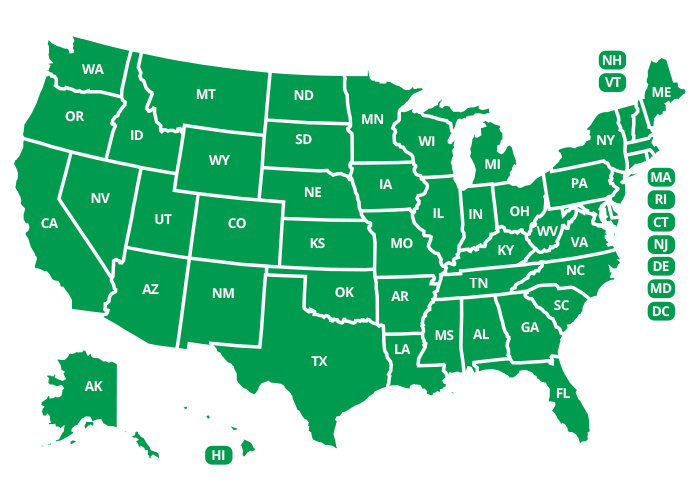
EWG's online database lists the top 2007 direct payment subsidy recipients for the nation as a whole, and for every state and county. The top states for direct payments was Iowa ($501 million), followed by Illinois ($454 million), Texas ($397 million), Nebraska ($333 million) and Kansas ($324 million).

Topping the list of direct payment subsidies are 5,125 recipients who collected over $60,000 in 2007, an amount roughly equivalent to average U.S. household income in 2006 ($66,000, the latest year available)). The cost to taxpayers was $537 million.

A total of 1,234 recipients collected direct payment subsidies worth $120,000 or more (costing taxpayers $226 million total), and 149 recipients got more than $250,000 in direct payments ($51.5 million total cost).

The top 10 percent of direct payment subsidy recipients in 2007 collected about 60 percent of the government money. While direct payments are limited to $40,000 per person ($80,000 per married couple), large subsidized farming operations with complex, interlocking business organizations and multiple owners routinely enable individuals to collect up to $80,000 apiece each year in direct payment subsidies under USDA rules governing subsidies for partnerships, corporations, joint ventures and trust. If the House version of the direct payment provision is adopted, the maximum payment will be increased from $40,000 to $60,000 per person per year ($120,000 per married couple).

The top direct payment recipient in 2007 was a Sandridge Partners, a complex business of interlocking companies, trusts and individual owners with its business office in Sunnyvale, California, a suburban community in Silicon Valley south of San Francisco better known for high-tech firms and venture capitalists. Sandridge, which USDA records show operates in four counties, collected $1,064,134 in direct payment subsidies in 2007 for seven different crops, but most of the subsidy was for cotton.

Two other large California-based operations with multiple layers and owners ranked 3 and 4 nationwide. A business designated "Dist 108 Farms" in USDA records, located in Arbuckle, California, collected $730,720 in direct payments in 2007, mostly for rice; for farms in Colusa and Yolo counties. The Martori Family General Partnership collected $683,353 in direct payment subsidies in 2007, mostly for wheat and cotton.

Direct payment subsidies are provided without regard to the economic need of the recipients or the financial condition of the farm economy. Established in 1996, direct payments were originally meant to wean farmers off traditional subsidies that are triggered during periods of low prices for corn, wheat, soybeans, cotton, rice and other crops.

In debate over the 2007/2008 farm bill, the farm subsidy lobby has insisted the payments continue over the next five years, even if crop prices and net farm income remain high.


Support EWG - Donate Now